
Distributed Antenna Systems (DAS)
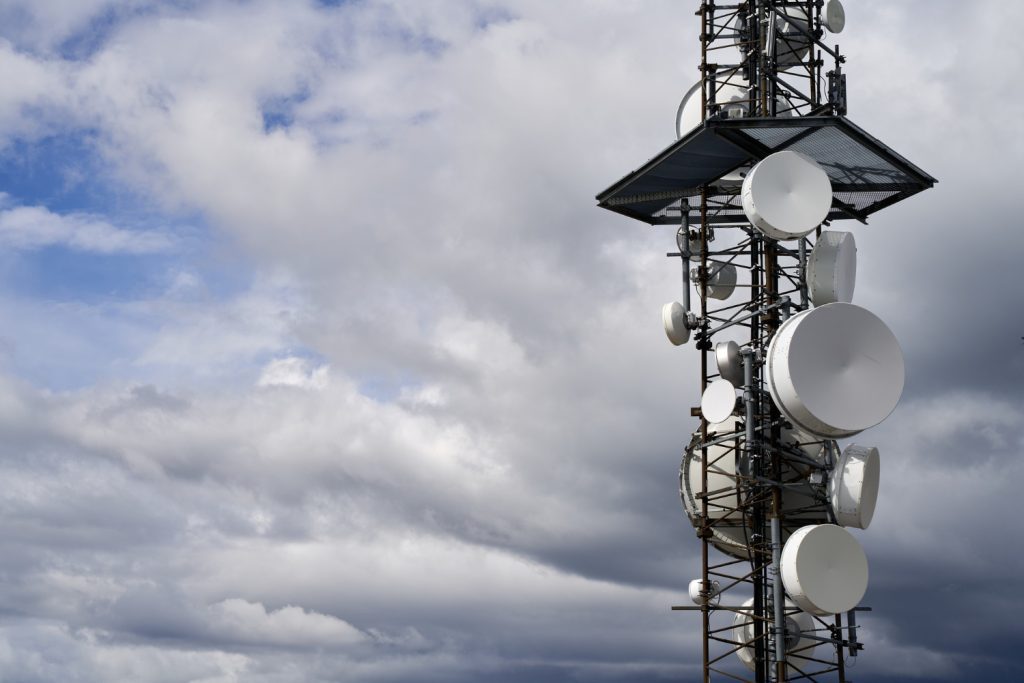
Distributed Antenna Systems (DAS): Seamless Cellular Coverage
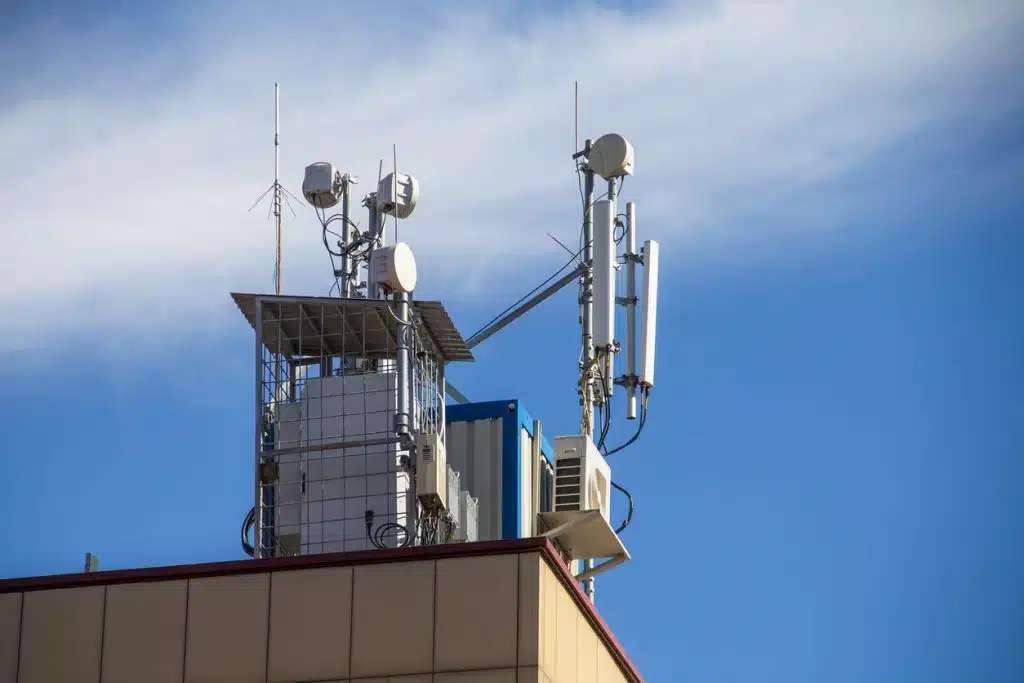
A Distributed Antenna System (DAS) is a network of spatially separated antenna nodes connected to a common source, designed to provide enhanced, localized wireless coverage and capacity inside large, complex commercial structures. For environments like corporate campuses, high-rise offices, retail centers, stadiums, and hospitals, DAS is essential for eliminating persistent dead zones and ensuring reliable service where high user density overwhelms outdoor cellular towers. Its core commercial function is guaranteeing robust voice and high-speed data service for employees, customers, and, critically, public safety personnel.
Core Technology and Commercial Requirements
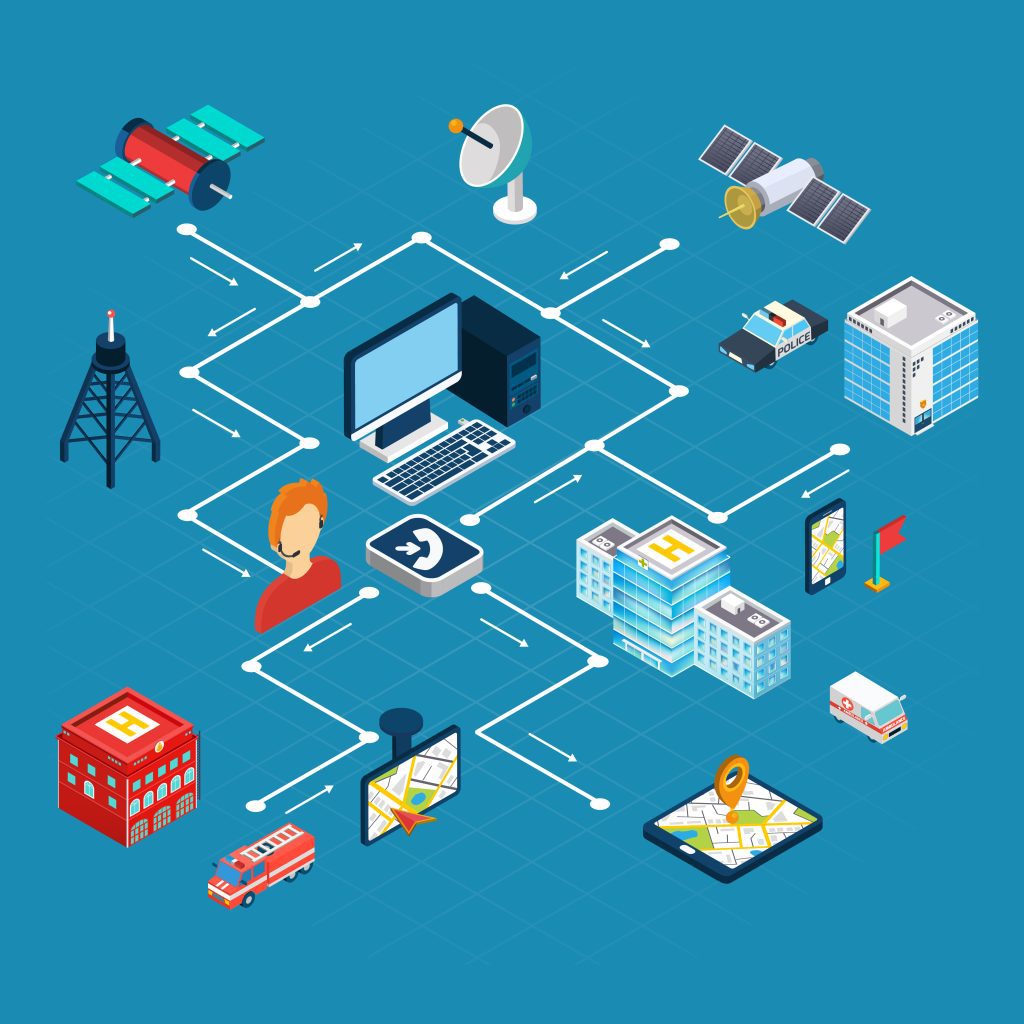
The architecture of a commercial DAS is built to be a Neutral Host, meaning it is designed to simultaneously support signals from multiple wireless carriers (AT&T, Verizon, T-Mobile, etc.) and various technologies (4G, 5G, and future standards). Key components include:
- Head-End Unit: The centralized connection point that receives and conditions the signals from the cellular carriers.
- Fiber Optic Backbone: High-bandwidth cabling used to transmit the signal over long distances throughout the facility without loss or latency.
- Remote Units (RUs): These active or passive units distribute the signal to the final antennas.
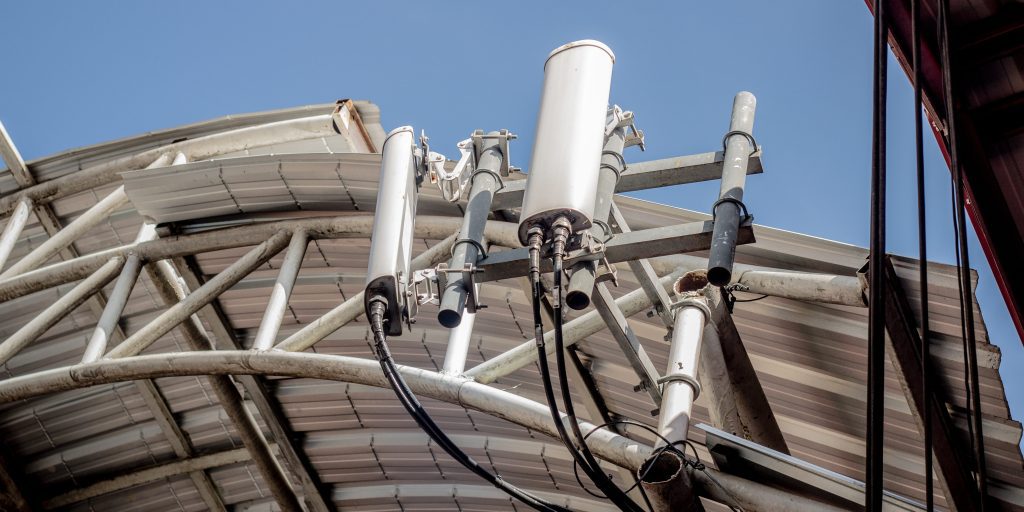
- Antennas: Discreet endpoints placed strategically throughout the building to broadcast and receive the conditioned signal.
This system guarantees uniform signal strength and high data throughput across massive footprints, overcoming the signal degradation caused by modern, energy-efficient building materials.
Key Commercial Applications and Impact
The deployment of a DAS unlocks crucial operational and safety benefits across commercial environments:
- Stadiums and Convention Centers: Handling extreme peak capacity demands from thousands of users simultaneously sending and receiving data (e.g., live streaming, ticket scanning).
- High-Rise Offices: Ensuring reliable in-building signal penetration on upper floors and in basements, which often suffer from poor external connectivity.
- Healthcare Facilities: Providing guaranteed, seamless voice and data for mission-critical communications and patient care applications.
Public Safety Compliance: Meeting strict local codes requiring coverage for emergency services (e.g., FirstNet) and ensuring the security team maintains communication everywhere, including underground parking structures.
Scalability and Low-Voltage Integration
A commercial DAS requires deep integration with the building’s Structured Cabling and Enterprise Networking infrastructure. The system must be highly scalable to anticipate growing data demands and the migration to newer 5G/6G standards. Signal distribution often utilizes fiber within the Centralized Distribution System (CDS) backbone, with remote units frequently leveraging Power over Ethernet (PoE) for simplified, low-voltage installation and reliable power delivery. Professional deployment ensures strict adherence to FCC compliance and industry standards, securing the system’s long-term reliability and investment ROI.
Secure Your Connectivity Future with 4th Systems
Implementing a high-capacity, multi-carrier Distributed Antenna System is a complex engineering task that demands specialized expertise in RF (Radio Frequency) design, fiber installation, and carrier coordination. Improper design leads to interference, poor performance, and compliance failure. 4th Systems specializes in the certified design, installation, and commissioning of robust, commercial-grade DAS. We guarantee optimal coverage, seamless integration with your network backbone, and the future-proofing required for tomorrow’s mobile demands. Contact 4th Systems today to ensure your commercial space has the reliable connectivity it requires.