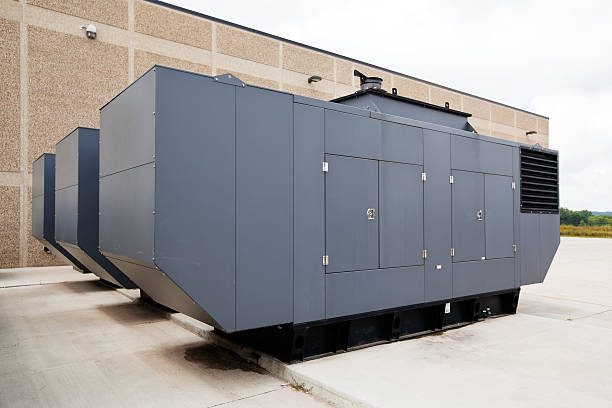
Standby Generators
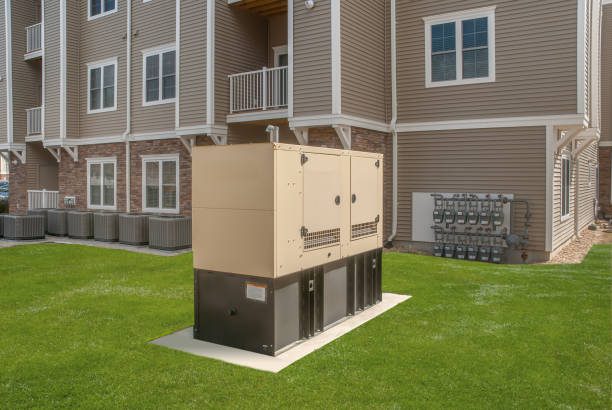
Standby Generators: Ensuring Commercial Resilience and Business Continuity
Standby Generators are permanent, dedicated systems that provide an immediate source of emergency power when the main utility service fails. For a commercial enterprise, particularly those housing data centers, healthcare facilities, or high-value retail, these systems are mission-critical infrastructure. They are meticulously engineered to automatically assume the facility’s electrical load management needs, guaranteeing uninterrupted operation, protecting sensitive electronics, and ensuring regulatory compliance and business continuity during widespread planned outages or unplanned utility failures.
Core Technology and Automated Operation
Commercial standby systems are defined by their ability to operate without human intervention:
- Automatic Transfer Switch (ATS): The central component that constantly monitors incoming utility power. Upon detecting a failure, the ATS automatically signals the generator to start, waits for stable voltage, and then switches the building’s critical circuits from utility power to generator power, typically in seconds.
- Fuel Source: Generators are sized based on their intended run time and load. Diesel is common for extended runtime and high-density loads, while Natural Gas offers unlimited run time if gas lines are active, often simplifying on-site fuel storage and logistics.
- Parallel Operation: For very large facilities or those requiring extreme redundancy, multiple generators can be configured for parallel operation, allowing them to share the load and enabling maintenance on one unit without sacrificing protection.
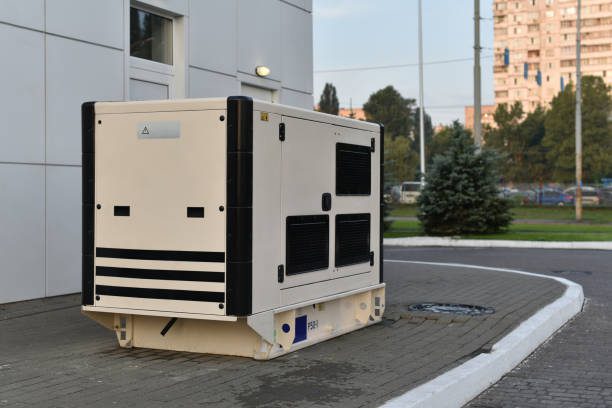
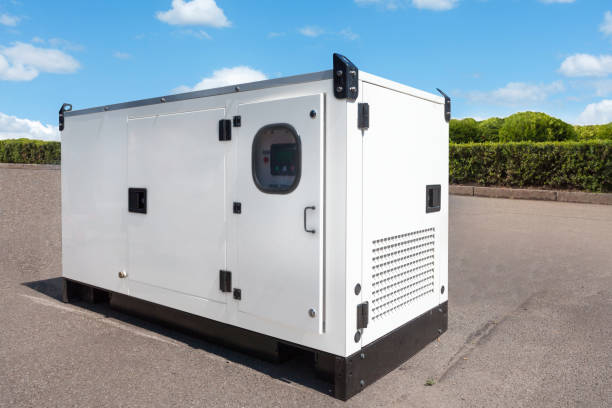
Commercial Requirements and Code Compliance
The installation of standby power systems must meet specialized commercial and institutional standards:
- NFPA 110 Compliance: Installation must adhere strictly to NFPA 110 (Standard for Emergency and Standby Power Systems), which governs performance, maintenance, and testing to guarantee the generator will start and assume load within specified time limits.
- Predictive Maintenance (PdM): Unlike residential units, commercial generators require rigorous, scheduled Predictive Maintenance (PdM) routines, including weekly automatic exercise runs and detailed fluid and component analysis, to ensure 100% system reliability when an emergency occurs.
- Load Management Strategy: The system must be precisely sized to handle the mission-critical loads (e.g., life safety systems, IT cooling, security, elevators) while potentially shedding non-essential loads to maximize run time and efficiency.
Partner with 4th Systems for Emergency Power Assurance
Designing, installing, and maintaining a reliable Standby Generator system is a high-stakes engineering task requiring expertise in electrical, mechanical, and safety code compliance. Errors in sizing or ATS configuration can lead to system failure when you need it most. 4th Systems specializes in the certified, turnkey deployment and management of commercial standby power systems. We guarantee code-compliant installations that deliver proven uptime and long-term system longevity. Contact 4th Systems today to secure your facility’s operational resilience.