Transformers
Transformers: The Heart of Commercial Power Distribution
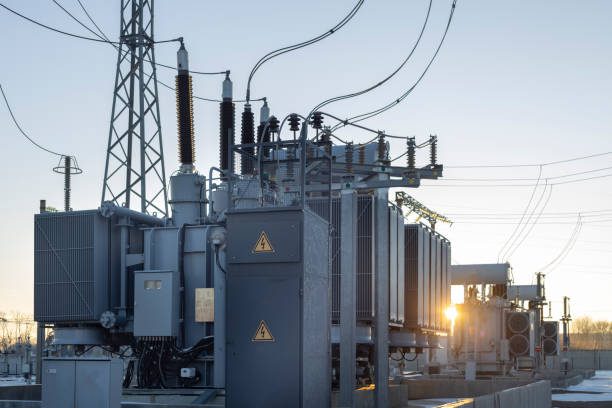
Transformers are indispensable components in any commercial enterprise, serving as the critical link between high-voltage utility power and the usable low voltages required by internal systems. Their primary function is precise Voltage Transformation, safely stepping down incoming power (often 480V or higher) to service the facility’s power distribution system (typically 208Y/120V). For commercial applications, the focus is on maximizing Energy Efficiency (through low-loss designs), minimizing noise, ensuring robust fire prevention, and guaranteeing the stable power quality essential for sensitive electronic and IT equipment.
Core Technology and Commercial Installation Requirements
Commercial installations overwhelmingly utilize Dry-Type Transformers, as they eliminate the fire and environmental risks associated with oil-filled units common in industrial or utility substations.
- Dry-Type Technology: These units use air or solid insulation instead of oil, making them safe for installation inside or near equipment rooms, and ensuring compliance with strict building codes.
- Low-Loss Design: Modern commercial transformers are specified as high-efficiency units (e.g., NEMA Premium) to reduce heat generation and minimize energy waste, directly contributing to lower operational costs.
- Heat Dissipation: Proper installation requires careful consideration of ambient temperature and adequate ventilation to maintain performance and system longevity.
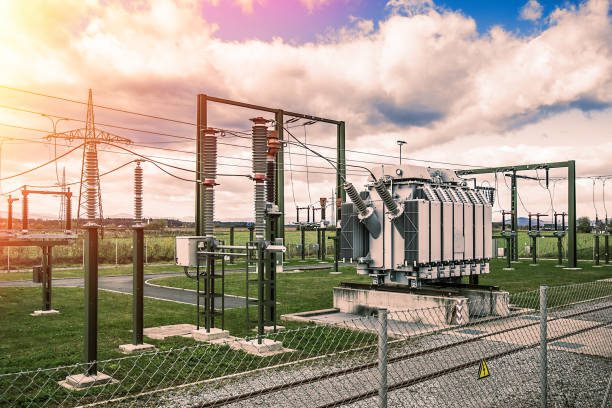
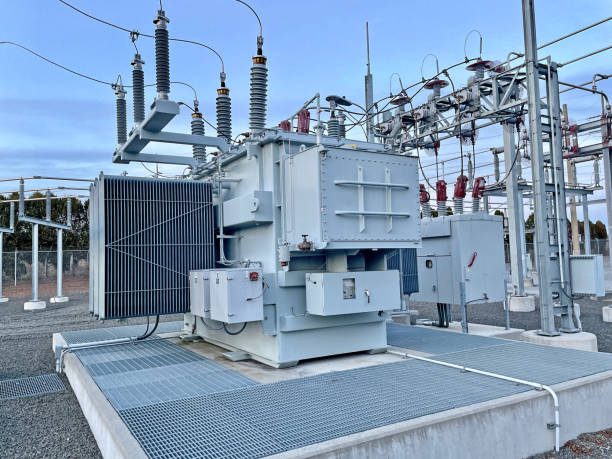
- Substation Integration: Large commercial buildings house transformers within integrated power substations, where they are strategically placed for optimal Load Management and connectivity to main switchgear and panelboards.
Commercial Value: Efficiency, Safety, and Stability
Expertly managed transformer infrastructure provides significant commercial advantages beyond basic power conversion:
- Guaranteed Power Quality: By stabilizing voltage and isolating faults, transformers protect expensive downstream electronics, supporting business continuity and reducing equipment failure rates.
- Energy Optimization: Efficient transformers, coupled with techniques like Power Factor correction, reduce stress on the entire electrical system, leading to lower utility bills and decreased maintenance requirements.
- Personnel Safety: As high-voltage components, transformers must be securely enclosed and regularly maintained according to NFPA 70E standards, with clear labeling for arc flash mitigation to protect maintenance staff.
- Scalability: When new equipment or facility expansion requires different voltages, dedicated distribution transformers provide the flexibility to adapt the power system without complex re-wiring of the main utility service.
Partner with 4th Systems for Power System Integrity
The sizing, placement, and testing of Transformers are complex electrical engineering tasks that are vital to facility performance and safety. Incorrect specification or installation can lead to overheating, equipment damage, and high utility penalties. 4th Systems specializes in the certified design, installation, and Predictive Maintenance (PdM) of commercial transformer infrastructure. We guarantee systems that are safe, energy-efficient, and perfectly matched to your facility’s Load Management needs. Contact 4th Systems today to ensure the integrity of your core power system.