Multi-System Rooms
Multi-System Rooms: The Integrated Hubs of Commercial Infrastructure
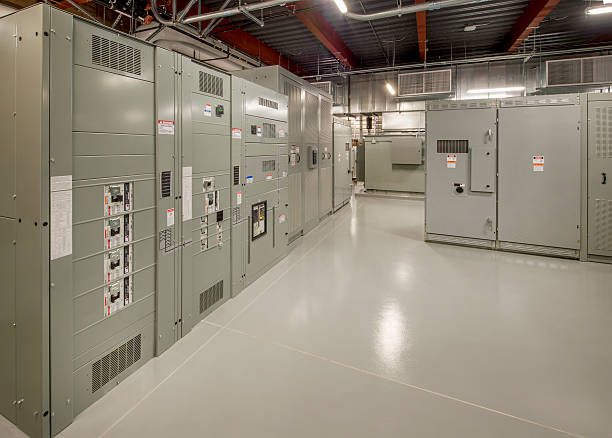
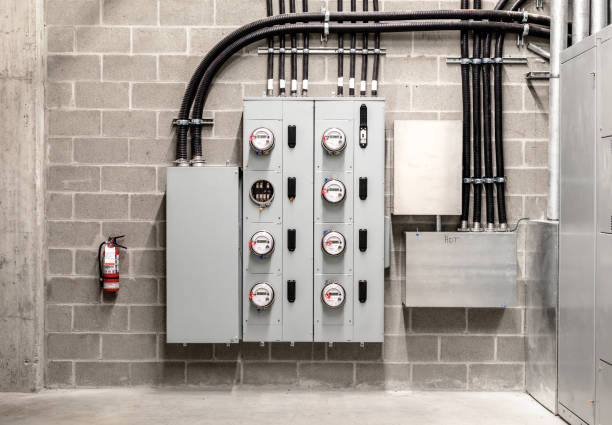
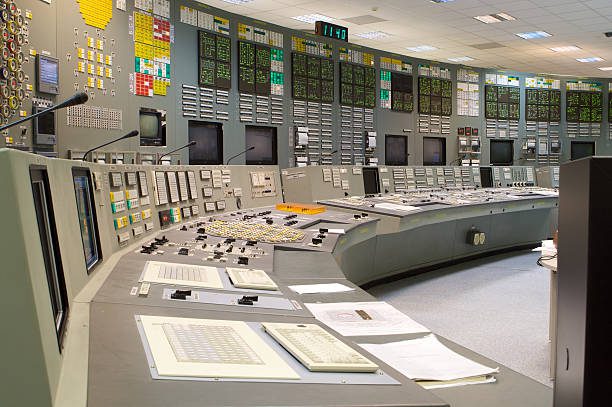
Multi-System Rooms—including Equipment Rooms (ER), Telecommunications Rooms (TR), and Data Centers (DC)—are the highly concentrated, mission-critical physical spaces that house and connect a commercial facility’s electrical, data, security, and automation infrastructure. For the commercial enterprise, these rooms represent the central nervous system, demanding stringent standards for environmental control, physical security, and power quality to ensure the system reliability and business continuity of the entire operation. Effective management of these integrated spaces is key to maximizing uptime and system longevity.
Core Integration and Functionality
These rooms are defined by the convergence of multiple, high-density systems managed by structured cabling and power distribution:
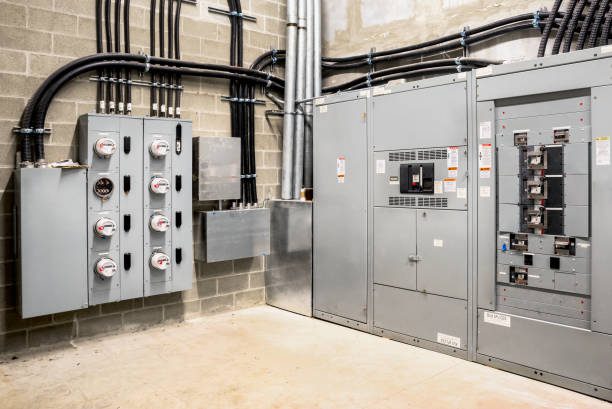
- Electrical Infrastructure: Housing main service panels, distribution switchgear, and Uninterruptible Power Supplies (UPS) for immediate backup power. Power quality is managed here through dedicated grounding and surge suppression.
- Low Voltage Systems: Serving as the termination and distribution points for all Structured Cabling, Fiber Optic Backbone, Building Automation System (BAS) controllers, and IP Camera Systems.
- Environmental Control: Requiring dedicated, redundant HVAC systems (often CRAC/CRAH units) and precise humidity control to protect sensitive electronics from heat damage, which is essential for equipment longevity.
- Fire Suppression: Utilizing specialized clean agent or pre-action fire suppression systems, which are mandatory to prevent water damage to critical equipment during a fire event.
Key Commercial Requirements and Best Practices
The design and maintenance of Multi-System Rooms must adhere to the highest standards to support high-density, mission-critical operations:
- Security and Access Control: Strict physical security protocols, including dedicated access control, video surveillance, and biometric systems, are essential to prevent unauthorized entry and maintain the integrity of sensitive data and equipment.
- Code Compliance: Design and installation must comply with rigorous standards, including NEC, NFPA, and TIA/EIA specifications, particularly regarding cable management, cable tray capacity, and room layout.
- Redundancy and Failover: Implementing N+1 or 2N redundancy for power and cooling ensures that maintenance or failure of one component does not compromise the entire room, guaranteeing continuous operation.
- Scalability: The room must be designed with ample vertical and horizontal space to accommodate future-proofing and scalability needs, allowing for easy Moves, Adds, and Changes (MACs) to support business growth.
Partner with 4th Systems for Integrated Room Solutions
Designing, building, and maintaining Multi-System Rooms requires expertise across electrical power, structured cabling, security, and mechanical systems. Errors in any one area—particularly in cooling or power—can lead to total system failure and devastating business downtime. 4th Systems specializes in the certified engineering and build-out of integrated, high-availability commercial infrastructure rooms. We guarantee a solution that delivers optimal performance, regulatory compliance, and maximum system reliability. Contact 4th Systems today to secure your facility’s operational core.