Energy Automation

Energy Automation Systems: Integrated Control for Consumption and Generation
Energy Automation Systems represent the convergence of generation resources (like Solar PV) and intelligent control technologies, allowing users across all sectors to actively manage both consumption and power flow. These systems are mission-critical for maximizing Energy Efficiency, achieving Net-Zero goals, and dynamically optimizing power usage. By integrating resources like Solar PV with Battery Energy Storage Systems (BESS) and sophisticated Building Management Systems (BMS), these solutions ensure energy resilience and provide crucial demand response capabilities across Residential, Commercial, and Industrial applications.
Core Technology and Multi-Sector Functionality
The complexity of energy automation lies in coordinating diverse electrical sources and loads in real time, regardless of the scale:
- Residential Example: Smart Homes: Integration of rooftop solar with a home BESS and a smart meter. Automation software prioritizes consumption, ensuring household loads are powered by solar first, then battery, and finally the grid, maximizing self-consumption and minimizing utility bills.
- Commercial Example: Corporate Campuses: Utilizing a Building Management System (BMS) to connect on-site generation, utility feeds, and HVAC/Lighting Control. The system automatically sheds non-critical loads during high-cost peak demand hours and manages the BESS for financial arbitrage and backup power.
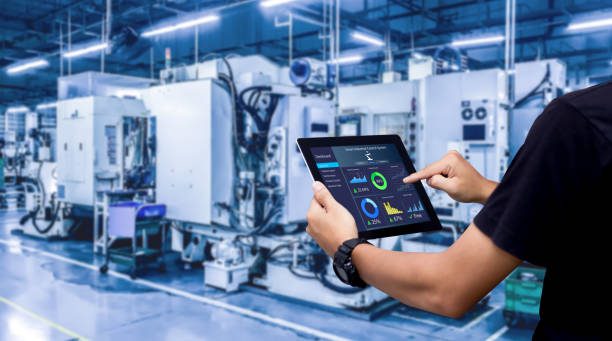
- Industrial Example: Manufacturing Plants: Integrating microgrids, high-capacity BESS, and Motor Control Centers (MCCs). Automation executes complex Load Management and sequencing to maintain power quality and avoid massive peak demand charges, ensuring business continuity and smooth production flow.

Value Proposition: Efficiency, Resilience, and Compliance
Implementing automated energy systems delivers robust, layered benefits across all user types:
- Financial Optimization: Automation algorithms constantly analyze utility rates, weather forecasts, and usage patterns to make real-time decisions, maximizing ROI (Return on Investment) through reduced energy procurement costs and participation in utility demand response programs.
- Energy Resilience: The integration of BESS provides seamless emergency backup power, protecting critical loads from grid instability or planned outages, thereby guaranteeing uptime and system reliability.
- Regulatory and ESG Compliance: Automated energy reporting simplifies tracking for Environmental, Social, and Governance (ESG) metrics and ensures compliance with increasingly stringent energy and building codes, supporting the transition toward Net-Zero operations.
- Future-Proofing: These scalable platforms are designed to incorporate future technologies, such as advanced EV charging integration, without costly overhauls.
Partner with 4th Systems for Integrated Energy Solutions
Designing and commissioning complex Energy Automation Systems requires expertise in electrical engineering, software integration, and utility regulation. Errors in control logic or Grid Interconnection can lead to system malfunction or regulatory non-compliance. 4th Systems specializes in the certified, integrated deployment of energy automation infrastructure across all sectors. We guarantee solutions that maximize efficiency, deliver robust resilience, and provide full Regulatory Compliance. Contact 4th Systems today to take control of your energy future.