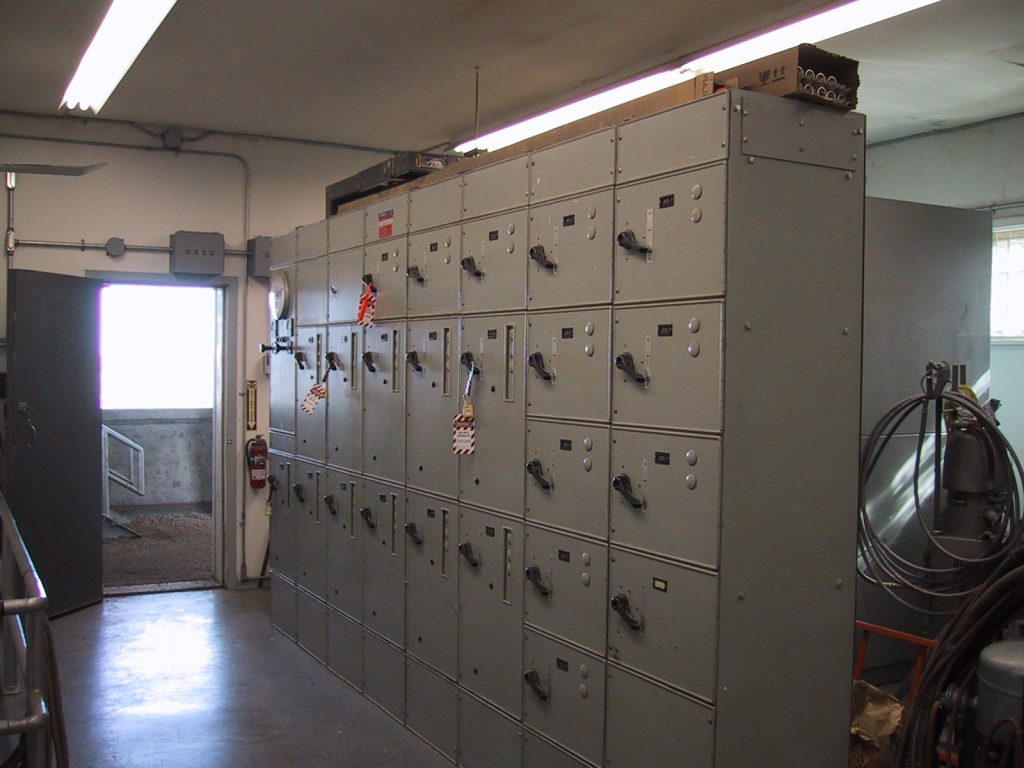
Motor Control Centers (MCC) / Medium Voltage Controls (MVC)
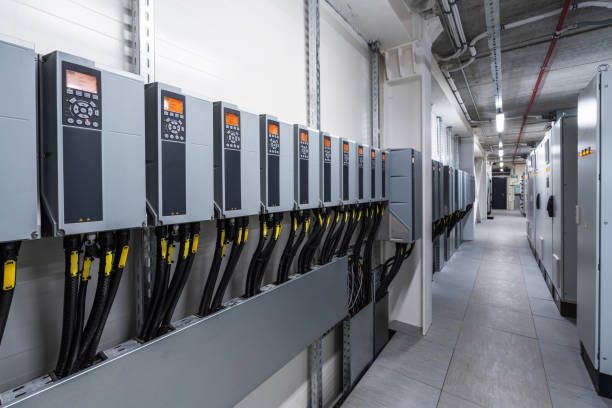
Motor Control Centers (MCC) / Medium Voltage Controls (MVC): Centralized Power Management
Motor Control Centers (MCC) and Medium Voltage Controls (MVC) represent the centralized hub for controlling and protecting the critical motors and feeders in a large commercial enterprise or institutional campus (such as hospitals, universities, or data centers). These enclosures house starters, relays, and circuit breakers, enabling the facility to manage and monitor dozens of motors—like those driving large HVAC chillers, water pumps, and air handling units—from a single location. Their function is mission-critical for maximizing system reliability, ensuring electrical safety, and facilitating sophisticated Energy Management strategies.
Core Technology and Centralized Control
The design of MCCs and MVCs is focused on compartmentalization, safety, and network integration:
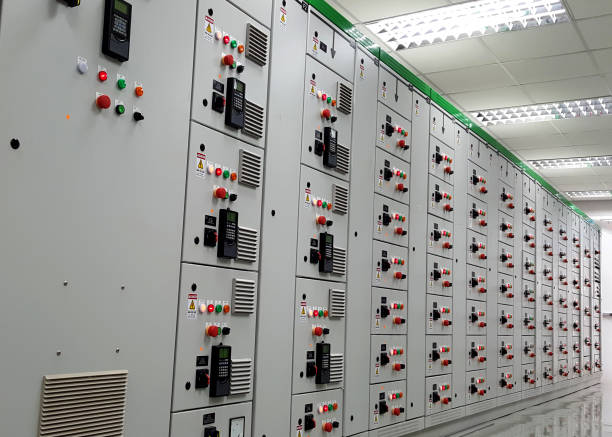
- Motor Control Centers (MCC): Used for standard low-voltage applications (typically 600V or less), the MCC is composed of standardized, modular bucket units that hold individual motor starters and protective devices. This compartmentalized design enhances personnel safety and simplifies maintenance. Integration with Variable Frequency Drives (VFDs) is common, allowing for precise speed and torque control, which is essential for energy efficiency.
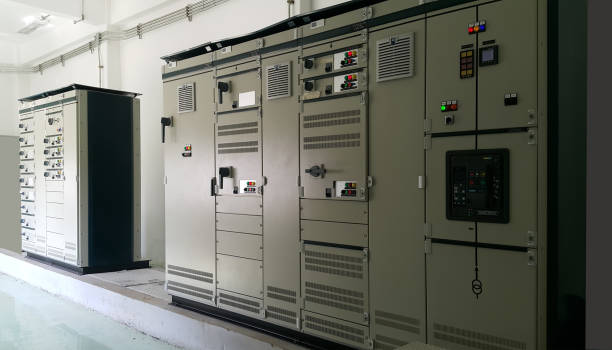
- Medium Voltage Controls (MVC): Utilized for controlling extremely large motors (e.g., main campus chillers) where medium voltage (up to 38kV) is used for efficient power transmission. These systems are highly specialized, often including vacuum breakers and advanced protective relaying.
- Integration: Both MCCs and MVCs are integrated directly into the Building Automation System (BAS), allowing facility managers to remotely start, stop, and monitor loads, gather diagnostic data, and execute complex sequencing and interlocks.
Key Commercial Applications and Operational Value
Deploying centralized motor control infrastructure provides immediate and long-term operational advantages:
- Predictive Maintenance (PdM): By monitoring motor performance, current draw, and vibration data via the MCC/MVC, facility teams can shift from reactive repairs to proactive Predictive Maintenance, reducing the risk of catastrophic failure and lowering business downtime.
- Load Shedding and Power Quality: Centralized control allows for effective load management, preventing penalties associated with peak demand. The controllers also help maintain power quality by regulating the starting current of large motors.
- Enhanced Safety: The enclosures are engineered with strict adherence to NFPA 70E standards. Modern systems are often specified with arc flash mitigation features and remote racking capabilities to protect personnel during system access.
Partner with 4th Systems for Advanced Motor Control
The installation and commissioning of MCC / MVC infrastructure require specialized expertise in high-amperage power, protective relaying, and BAS/BMS integration. Errors in sizing or control logic can lead to serious safety hazards and high operational costs. 4th Systems specializes in the certified design, installation, and programming of commercial-grade Motor Control Centers. We guarantee a centralized control system that is safe, compliant, energy-efficient, and engineered for maximum system longevity. Contact 4th Systems today to optimize your critical mechanical infrastructure.