HVAC Controls
Commercial HVAC Controls: The Foundation of Building Automation
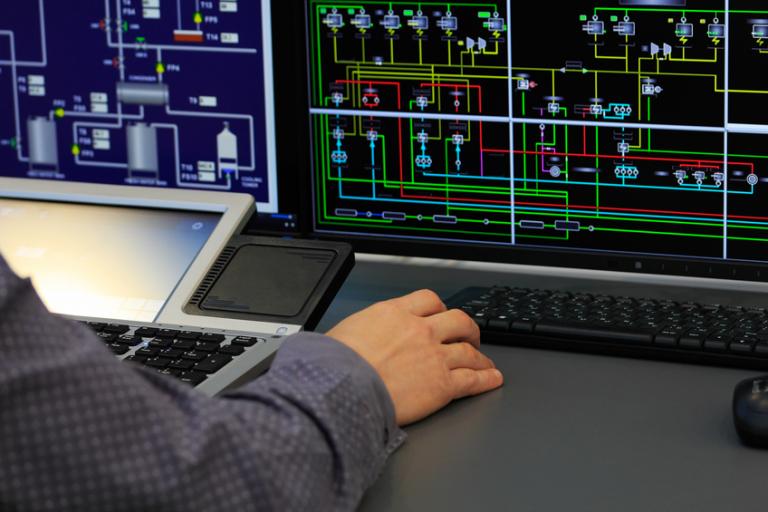
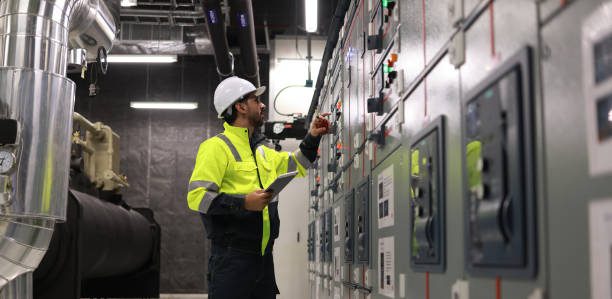
For commercial enterprises, the management of Heating, Ventilation, and Air Conditioning (HVAC) systems transcends simple temperature control—it is a critical function of the Building Automation System (BAS) or Building Management System (BMS). These sophisticated control platforms employ Direct Digital Control (DDC) technology to ensure optimal performance, rigorous energy management, and superior Indoor Air Quality (IAQ), which are non-negotiable requirements for office buildings, retail spaces, and institutional facilities. Commercial solutions are designed for complex, multi-zone environments and deep network integration, unlike simplified residential or highly specialized industrial systems.
Core Technology and Commercial Requirements
Commercial HVAC controls rely on interconnected networks of smart devices and centralized software to manage every aspect of the environmental systems.
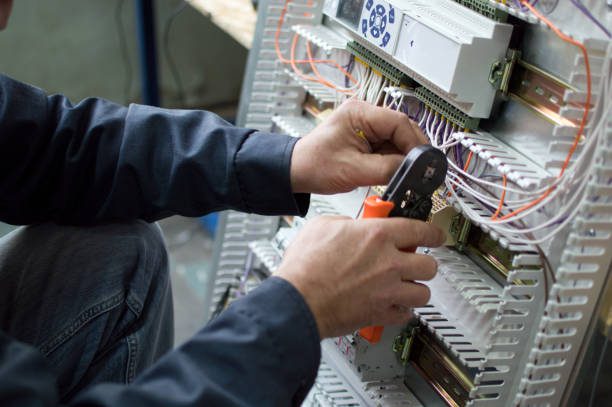
- DDC (Direct Digital Control): This is the core technology where microprocessors and software replace outdated pneumatic or analog electric systems. DDC systems offer granular control, high precision, and the ability to execute complex energy-saving algorithms.
- Open Protocols and Integration: Enterprise-grade control systems must communicate using open protocols like BACnet or LonWorks. This ensures seamless integration with other building systems, such as lighting, security, and access control, facilitating true smart building functionality.
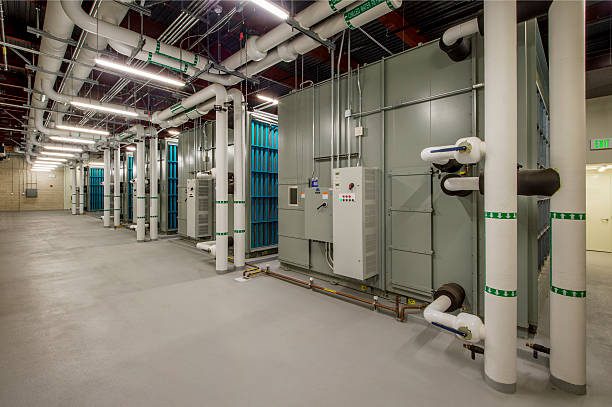
- VAV Systems (Variable Air Volume): Commercial controls are essential for efficiently managing VAV boxes, which allow different zones within a building to receive customized air volumes and temperatures based on localized demand, maximizing tenant comfort and minimizing waste.
Energy Management Systems (EMS): The control system acts as the EMS, utilizing complex logic for demand response, optimal start/stop routines, and peak load shaving to dramatically reduce utility costs.
Key Commercial Applications and Features
The value of a professional HVAC control system is realized through advanced functionalities that improve operational efficiency and occupant experience:
- Centralized Monitoring and Alarming: Facility managers gain real-time visibility into system health, performance, and energy consumption through a unified interface. The system provides automated alarming for immediate notification of maintenance issues or performance deviations.
- Occupancy-Based Control: Integration with occupancy sensors and scheduling programs ensures that resources (heating, cooling, ventilation) are only expended when and where they are needed, eliminating energy waste in vacant areas.
- Predictive Maintenance: By logging historical data, including runtimes and system faults, the control system can flag equipment that is trending towards failure, allowing for proactive, predictive maintenance that avoids costly emergency shutdowns.
Demand Control Ventilation (DCV): Using CO₂ sensors in high-density areas, the system modulates outside air intake only to the level required to maintain healthy IAQ, reducing the energy needed to condition unnecessary fresh air.
Securing Performance and Compliance with 4th Systems
The successful deployment of a commercial BAS/BMS requires specialized expertise in network design, DDC programming, and mechanical system calibration. 4th Systems specializes in the design, installation, and programming of high-performance HVAC control systems that are optimized for energy efficiency and compliance with regional codes. We provide the expertise necessary to deliver a fully integrated smart building infrastructure that transforms your operating expenses into measurable savings. Contact 4th Systems today to optimize your building’s core performance systems.