
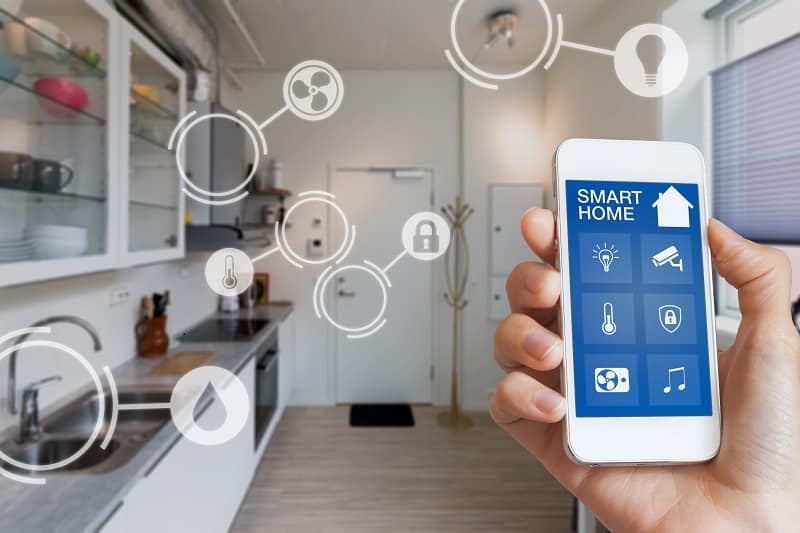
Are you planning a remodel and wondering how to future-proof your home for automation? Smart home wiring isn’t something you want to figure out after the drywall goes up. The right electrical infrastructure now means easier upgrades, fewer headaches, and a home that’s ready for whatever technology comes next. Here are seven essentials every Seattle homeowner should consider before breaking ground.
Why Smart Home Wiring Matters During a Remodel
Remodeling is your best opportunity to build in the wiring and infrastructure your smart home needs. Once walls are open, running low voltage wiring for cameras, speakers, sensors, and network equipment is straightforward. After the fact, it’s expensive and disruptive. Planning for smart home installation during your remodel saves money and creates a cleaner, more reliable system from day one.
1. Plan Your Network Infrastructure First
Your smart home runs on your network. That means you need solid Wi-Fi coverage and hardwired backbone connections where they count. Consider running Ethernet cables to key locations like your office, entertainment center, security camera positions, and any areas where Wi-Fi struggles. A centralized network closet or rack makes managing everything easier as your system grows.
2. Install Dedicated Low Voltage Wiring Pathways
Low voltage wiring includes the cables that power doorbells, thermostats, speakers, and security devices. Installing conduit or smurf tube during construction gives you flexible pathways to add or replace cables later without opening walls. Think about where you might want cameras, outdoor speakers, or smart locks down the road, and run pathways there now.
3. Add Extra Electrical Outlets and Smart Switches
Smart devices need power. Add outlets in places you might not expect—inside closets for smart vacs, near ceilings for cameras, behind TVs for streaming devices. Replace standard light switches with smart switch-compatible boxes that have neutral wires. Many older homes lack neutrals, which limits your smart lighting options. Fixing this during a remodel is simple.
4. Create a Centralized Control Hub Location
Your smart home needs a brain. Whether it’s a control panel, home automation server, or just a well-organized network rack, designate a space for it. This hub should have power, Ethernet, and ventilation. A utility closet, basement corner, or garage space works well. Having everything in one place makes troubleshooting and upgrades much easier.
5. Wire for Whole-Home Audio and Video
If you want music in multiple rooms or plan to mount TVs, now’s the time to wire for it. Run speaker wire to ceiling or wall locations in key rooms. Add HDMI or CAT6 cables to TV locations so you’re not stuck with visible wires later. Even if you’re not installing speakers immediately, having the wiring in place keeps your options open.
6. Include Outdoor Smart Home Infrastructure
Don’t forget the exterior. Plan for landscape lighting controls, outdoor camera power and network connections, smart irrigation systems, and weather sensors. Burying conduit for future outdoor wiring prevents digging up your yard later. Exterior outlets should be weatherproof and placed where you’ll need them for seasonal lighting or entertainment.
7. Work with a Licensed Electrician Experienced in Home Automation Planning
Smart home technology changes fast, but good wiring practices don’t. Partner with an electrician who understands both current smart home systems and how to build flexibility for future upgrades. They’ll help you avoid common mistakes, meet code requirements, and create a system that actually works the way you want it to.
Frequently Asked Questions About Smart Home Wiring
What is smart home wiring and why do I need it?
Smart home wiring includes both electrical and low voltage cables that power and connect your automation devices. You need it because wireless signals alone aren’t reliable enough for security cameras, whole-home audio, and critical smart systems. Hardwired connections are faster, more stable, and don’t depend on Wi-Fi range.
When should I plan for smart home installation during a remodel?
Plan during the design phase, before any demolition starts. Once you know your layout, an electrician can map out wire runs and junction points. The actual installation happens after framing is complete but before insulation and drywall go up. This timing gives you maximum flexibility and clean cable runs.
Can I add smart home features to an older house?
Yes, but it’s more challenging without open walls. Retrofit solutions like wireless devices, surface-mounted conduit, and fishing wires through existing walls can work. However, you’ll face limitations compared to a properly wired system. If you’re already remodeling part of your home, extend the smart wiring to adjacent areas while walls are accessible.
How much does smart home wiring cost in Seattle?
Costs vary based on the scope of your project and the level of automation you want. Basic prewiring for a few rooms might add a few thousand dollars to your remodel. Comprehensive whole-home systems with extensive low voltage wiring, network infrastructure, and dedicated circuits can run significantly more. The investment pays off in convenience, home value, and avoiding expensive retrofits later.
Do I need special permits for smart home wiring?
Yes. Electrical work requires permits in Seattle, and smart home wiring is no exception. Your licensed electrician will pull the necessary permits and ensure all work meets local building codes. Low voltage wiring may have different requirements than standard electrical, but professional installation ensures everything is safe and legal.
Ready to Plan Your Smart Home Wiring?
Don’t let your remodel pass without building in the smart home infrastructure you’ll wish you had later. Whether you’re upgrading a few rooms or tackling a whole-house renovation, proper planning now creates a home that’s ready for tomorrow’s technology.
Contact 4th Systems for a smart home wiring consultation. Our team serves Seattle homeowners with expert electrical upgrades, low voltage wiring, and complete home automation planning. Let’s make your remodel smarter from the ground up.
Posted on December 9, 2025 | Published by Ignite Local | Related Local Business